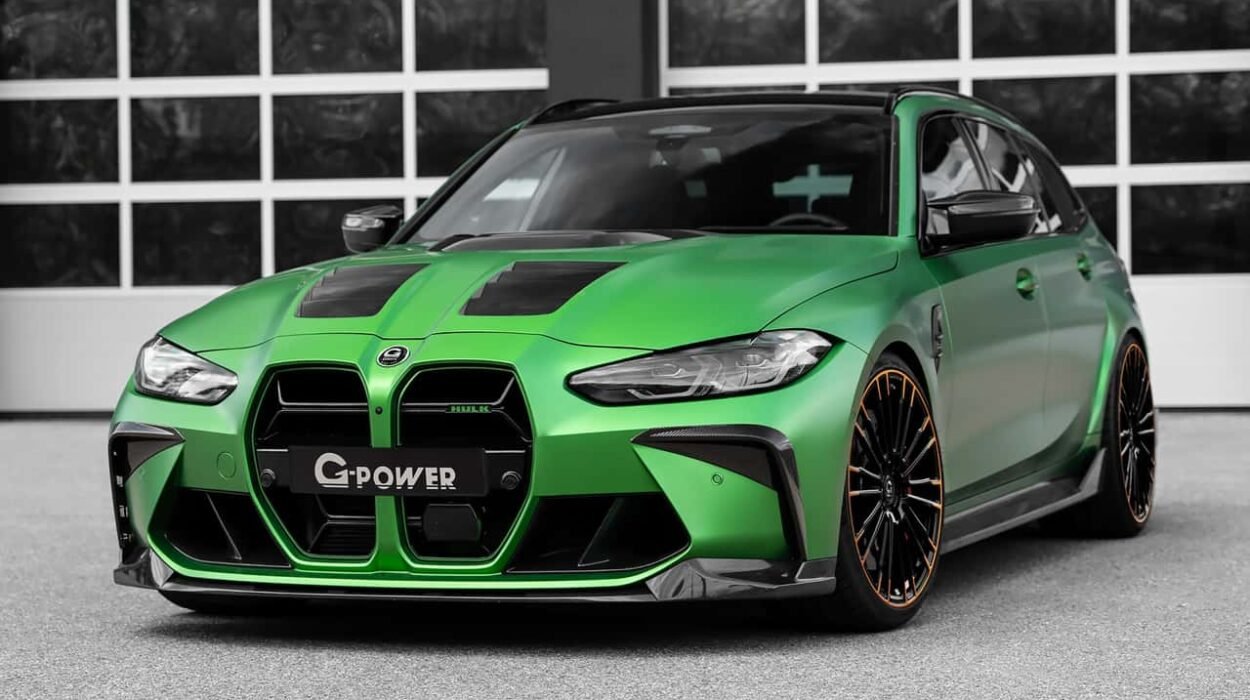
Running a tuning shop means dealing with customers who obsess over performance, reliability, precision, and results. These clients expect proof, expertise, and a specialist who truly understands their platform. But even if you’re the best tuner in your area, none of that matters if customers can’t find you. That’s where SEO for tuning shops becomes a powerful tool for growth.
SEO ensures your business appears when enthusiasts search for tuning services, dyno tuning, ECU remapping, performance upgrades, or model-specific modifications. In a competitive market, tuning shops that invest in SEO consistently attract more customers, gain more trust, and dominate local search results.
This article breaks down the essential SEO strategies every tuning shop must use to grow in 2025 and beyond.
Why SEO Is Crucial for Tuning Shops Today
Performance upgrades aren’t impulse purchases. Customers don’t gamble when it comes to tuning. They research heavily before choosing a shop, comparing:
-
Past builds
-
Dyno results
-
Platform experience
-
Customer reviews
-
Workshop reputation
-
Price-to-performance value
Strong SEO ensures these potential clients find your shop at the top of the results.
If your website shows up before competitors, that visibility alone creates instant authority. And when enthusiasts see your shop dominating search results, they assume you’re the best option.
Step 1: Make Your Website Tuned and Ready
A tuning shop’s website isn’t just a digital brochure. It’s your strongest sales asset. It must be fast, clean, and proof-heavy.
Your homepage should communicate:
-
What you specialize in
-
The cars you work on
-
Your tuning packages
-
Dyno tuning capabilities
-
Modification services
-
Real before-and-after results
Performance clients care about details and visuals. Give them both.
Step 2: Build Detailed Service Pages for Each Performance Upgrade
General pages don’t perform well in SEO. You need specific, focused pages targeting exact search terms.
Examples of high-impact service pages:
-
ECU remapping
-
Stage 1, Stage 2, Stage 3 tuning
-
Dyno tuning
-
Turbo upgrades
-
Supercharger installs
-
Exhaust fabrication
-
Suspension tuning
-
Performance brakes
-
Engine builds
Each service page increases your search relevance and helps Google understand what you offer.
More detail = more rankings = more customers.
Step 3: Create Car Model–Specific Pages to Target Enthusiast Searches
One of the biggest ranking boosters in tuning company SEO is platform-specific content.
Customers often search like this:
-
“Audi S3 tuning near me”
-
“BMW M340i stage 2 package”
-
“Golf R dyno results”
-
“Mustang GT performance upgrades”
-
“WRX tuning specialist”
If you create pages for each platform, Google starts viewing you as an expert for that car model.
Model-specific pages:
-
Rank fast
-
Convert extremely well
-
Build instant credibility
-
Attract high-value car owners
-
Position your shop as a specialist
This strategy alone can double your monthly leads.
Step 4: Publish High-Quality Tuning Content
Content marketing is extremely effective for tuning shops because enthusiasts LOVE information.
Blog content can include:
-
Stage upgrade guides
-
Build stories
-
Dyno comparisons
-
Exhaust sound tests
-
Forced induction explanations
-
Tuning myths vs. facts
-
Reliability tips for tuned cars
This type of content brings organic traffic and strengthens your automotive tuning SEO.
And best of all—it builds trust before clients even step into your shop.
Step 5: Show Proof Everywhere
Tuning customers rely on proof more than any other automotive niche. They want to see results.
Add proof across your site:
-
Dyno graphs
-
Engine bay photos
-
Completed build galleries
-
Short video clips
-
Customer reactions
-
Before-and-after photos
Proof removes doubt. Doubt kills sales.
Eliminate doubt → increase conversions.
Step 6: Optimize Your Google Business Profile for Local SEO
Local SEO is a core part of ranking for tuning-related searches. Your Google Business Profile (GBP) is what helps you show up in the map pack.
To optimize your GBP:
-
Add all tuning services
-
Upload photos weekly
-
Post updates consistently
-
Respond to every review
-
Include your tuning specialties
-
Add shop interior/exterior photos
-
Upload dyno videos
Your GBP often gets more traffic than your website, especially for local searches like:
“Performance shop near me”
“Dyno tuning [city]”
Dominate the map pack and you dominate the market.
Step 7: Get High-Quality Reviews From Real Tuning Customers
Reviews from tuning customers carry more weight than reviews from regular auto service clients.
Strong reviews include:
-
The car model
-
The tuning stage
-
The performance gains
-
The customer’s experience
-
The reliability over time
Enthusiasts with the same car will find these reviews and instantly trust your shop.
Aim for consistent, detailed reviews—not generic ones.
Step 8: Build Backlinks From Automotive Communities
Backlinks act like “votes” for your website. They improve your domain authority and help you outrank competitors.
Tuning shops can earn backlinks from:
-
Local car clubs
-
Influencers
-
Build collaborations
-
Automotive blogs
-
Car event sponsors
-
Performance forums
-
YouTube partnerships
Backlinks + content + model pages = a powerful SEO engine.
Step 9: Use High-Quality Photos and Videos to Attract Customers
Visuals matter in the tuning world. Every image or clip tells a story about your skills, your results, and your workshop.
Post:
-
Transformation photos
-
Dyno pulls
-
Before-and-after shots
-
Turbo installs
-
Exhaust clips
-
Shop tours
High-quality visuals increase engagement and keep customers on your site longer—boosting your rankings.
Step 10: Track and Improve Your SEO Over Time
SEO grows like compound interest. The more consistent you are, the stronger your rankings become.
Track:
-
Organic traffic
-
Keyword positions
-
Map pack ranking
-
Call volume
-
Page engagement
-
Blog performance
Continuous improvement leads to long-term dominance.
Final Thoughts
SEO isn’t optional for tuning shops. It’s the foundation of long-term growth, visibility, and authority. When potential customers search for performance upgrades, dyno tuning, or car-model-specific services, you must appear first.
Strong SEO for tuning shops ensures your business becomes the trusted choice for high-performance drivers who value quality, expertise, and results.
When your shop ranks everywhere customers look, your brand becomes unstoppable.