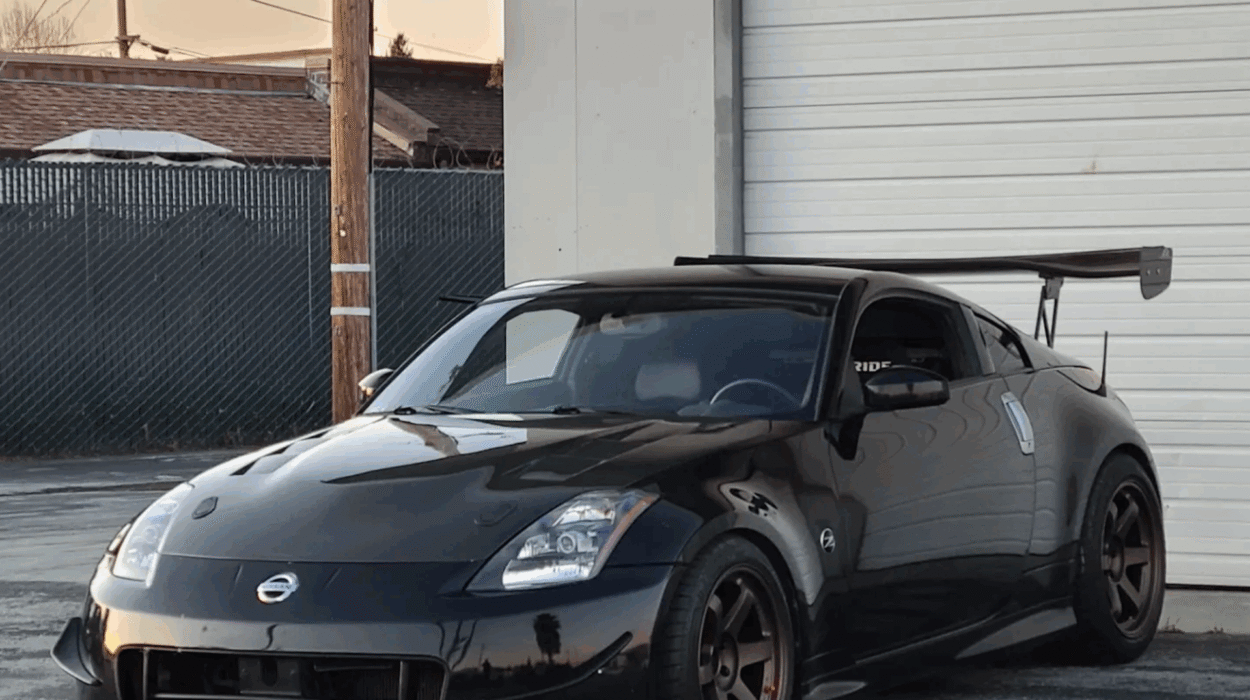
If you run a tuning shop, you already know the demand for modifications, performance upgrades, and custom builds is bigger than ever. More drivers want more horsepower, better handling, sharper throttle response, cleaner sound, and deeper customization. But demand alone isn’t enough to grow a tuning business. What matters is visibility. People must be able to find you at the exact moment they search for upgrades—and that’s where car tuning SEO becomes the biggest growth lever available.
Tuning enthusiasts don’t choose shops randomly. They research, compare, and analyze. They look for proof of skill, experience, and results. If your business doesn’t appear in these searches, those high-value clients will go to a competitor who does. This article explains why SEO is essential for growing any modification or tuning business and how you can use it to dominate your market.
Why SEO Works So Well for Tuning and Modification Shops
SEO is the perfect match for the tuning industry because people searching for tuning services are motivated. They want performance, and they want it now.
Most common search paths include things like:
-
“ECU tuning near me”
-
“stage 1 tuning for [car model]”
-
“best performance shop in [city]”
-
“dyno tuning specialists”
-
“custom exhaust shop”
These searches come from people who already know they want to upgrade their car. SEO puts your shop directly in front of them.
Compared to ads, SEO brings:
-
Higher-quality leads
-
Higher conversion rates
-
Less wasted spending
-
More long-term stability
-
Better trust signals
SEO takes potential customers who are already interested and points them toward your website.
The Role of Expertise in Tuning Industry Search Behavior
Car enthusiasts want credibility. They want to know you’ve successfully tuned similar vehicles, built performance packages, installed forced induction systems, or delivered reliable ECU maps. This industry is high-trust by nature.
This is why tuning business SEO is more than just ranking—it’s about demonstrating authority.
Your website should show:
-
Past builds
-
Before-and-after dyno graphs
-
Photos of installations
-
Engine bay transformations
-
Project breakdowns
-
Car-model specific tuning content
-
Technical explanations
The more expertise you display, the more customers trust your shop.
Step 1: Build Strong Service Pages That Match Customer Intent
Your website should not use one generic “services” page. Tuning customers want clarity and detail for the exact modification they’re interested in. This is one of the biggest ranking factors for automotive tuning SEO.
Create individual pages for:
-
ECU tuning
-
Stage 1, Stage 2, and Stage 3 packages
-
Dyno tuning
-
Turbo and supercharger installs
-
Exhaust systems
-
Intake upgrades
-
Suspension tuning
-
Performance brakes
-
Fabrication work
Each page increases your ranking for dozens of specific keywords and brings in customers searching for that exact service.
Step 2: Build Car Model–Specific Pages to Attract Enthusiasts
No group researches more than car enthusiasts. When a BMW M4 owner wants tuning, they want a shop that understands the M4. When a WRX owner wants a Stage 2 setup, they want someone who has tuned WRXs before. And when a Mustang owner wants a dyno session, they look for Mustang specialists.
Creating car-model pages such as:
-
“BMW M4 Tuning”
-
“Audi S3 Performance Upgrades”
-
“Ford Mustang Dyno Tuning”
-
“Golf GTI ECU Remapping”
…dramatically increases your ability to rank and convert.
These pages perform extremely well because they speak directly to a customer’s vehicle type.
Step 3: Build Trust Through Real-World Proof
Your biggest advantage is your work. Show it.
Upload:
-
Completed builds
-
Dyno videos
-
Mod breakdowns
-
Engine bay photos
-
Exhaust transformation photos
-
High-quality after results
-
Technical notes
Customers trust what they can see.
Real proof is one of the strongest signals Google uses to evaluate the relevance and quality of your business.
Step 4: Optimize Your Google Business Profile (GBP)
Your GBP is your map pack ranking. When someone searches “tuning shop near me,” your GBP should appear.
Optimize it by:
-
Adding all your tuning services
-
Uploading photos weekly
-
Posting updates
-
Responding to every review
-
Adding your hours and contact info
-
Using real shop and bay photos
-
Listing your service areas
The map pack is one of the biggest sources of leads for tuning shops, so GBP optimization is essential.
Step 5: Get More Reviews—Especially Detailed Ones
Reviews matter more in tuning than in most other automotive industries. People want proof that your shop delivers reliable, powerful, and safe upgrades.
Ask customers to mention:
-
Their car model
-
The upgrade performed
-
Their experience
-
How the car improved
-
Before/after results
Detailed reviews increase both conversions and ranking power.
Step 6: Publish Helpful Blog Content for Enthusiasts
Blog posts are extremely helpful for attracting research-driven tuning customers.
High-performing topics include:
-
“Stage 1 vs. Stage 2 tuning explained”
-
“How to choose the right exhaust upgrade”
-
“Is ECU tuning safe for daily driving?”
-
“How to prepare your car for dyno tuning”
-
“Top modifications for turbocharged cars”
This content brings in customers earlier in their decision-making process and positions your brand as the expert.
Step 7: Improve Website Speed and Mobile Experience
Performance fans expect speed—on the road and online. A slow website hurts your rankings and costs you leads.
Improve performance by:
-
Compressing images
-
Using a lightweight design
-
Simplifying navigation
-
Adding a click-to-call button
-
Ensuring everything loads fast on mobile devices
Google rewards fast, well-organized websites.
Step 8: Use Social Proof Across Your Website
Enthusiasts want validation from other enthusiasts.
Include:
-
Testimonials
-
Build videos
-
Photos from events
-
Car club partnerships
-
Customer stories
-
Dyno result graphics
These elements increase trust and conversions dramatically.
Step 9: Track Your Progress Over Time
SEO grows steadily with consistent effort.
Monitor:
-
Keyword rankings
-
Inbound calls
-
Traffic growth
-
Website engagement
-
Reviews
-
Map placement
-
Car-model page visibility
SEO isn’t a one-time task. It’s a long-term strategy that compounds over time.
Final Thoughts
Tuning is a specialized industry, and your marketing should reflect that. SEO gives your shop long-term visibility, more credibility, and direct access to the performance customers who value expertise and are willing to pay for quality work.
Strong car tuning SEO isn’t just about rankings—it’s about becoming the obvious choice for anyone who cares about performance, power, and precision.