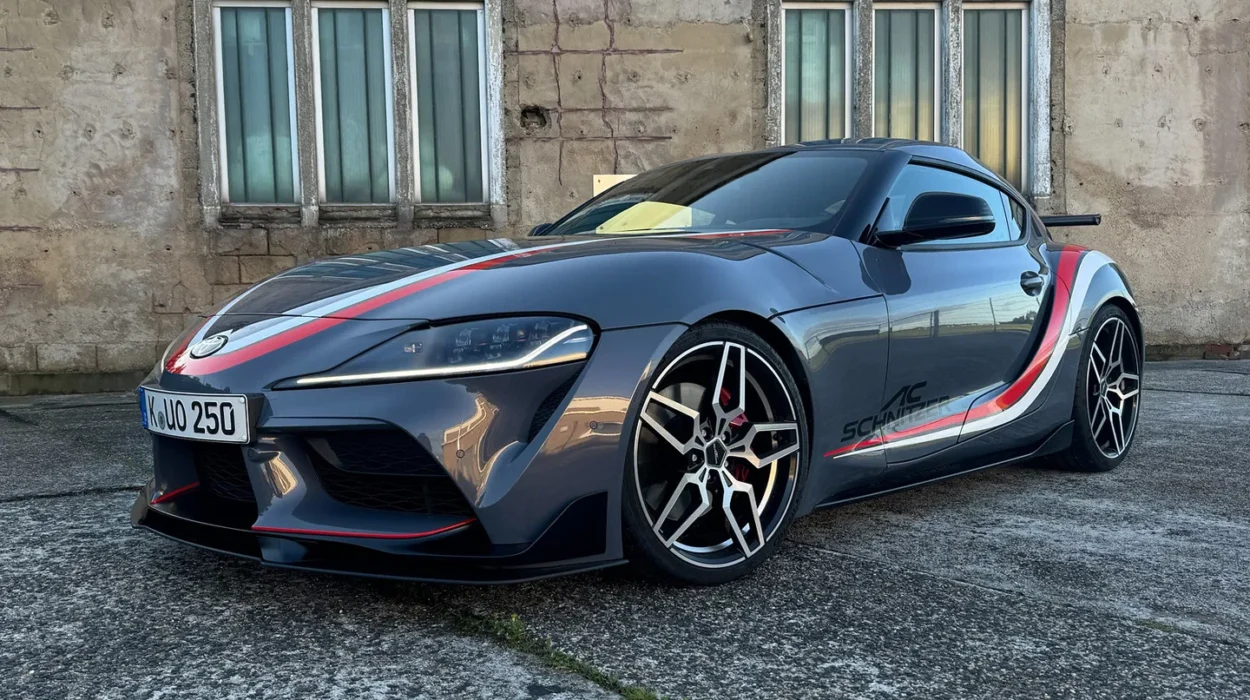
The tuning world is evolving faster than ever. New technologies, new modification trends, and new customer expectations are reshaping the industry. While skill, craftsmanship, and precision will always matter, the businesses winning in 2025 are the ones who combine their mechanical expertise with strong online visibility. That’s where performance tuning SEO becomes a powerful weapon for any serious tuning shop.
This guide breaks down exactly how tuning shops can use SEO to dominate their city, outrank competitors, attract passionate enthusiasts, and build long-term authority in 2025.
Why SEO Matters So Much in the Tuning Industry
Most customers searching for tuning services already know what they want. They’re not browsing. They’re not randomly exploring options. They are actively looking for:
-
Stage upgrades
-
ECU remapping
-
Exhaust fabrications
-
Forced induction enhancements
-
Dyno tuning
-
Performance parts installation
-
Suspension and handling upgrades
This is high-intent traffic with high-value outcomes. Users searching for tuning services are ready to book, ready to upgrade, and ready to invest in performance.
If your shop doesn’t appear in those search results, those clients will choose a competitor. That’s the brutal reality.
SEO is the difference between being the shop enthusiasts talk about—or being invisible.
Understanding Search Intent for Tuning Customers
One of the biggest advantages of car tuning SEO is alignment with how enthusiasts search. They often use specific, technical language:
-
“performance shop near me”
-
“dyno tuning for [car model]”
-
“best car tuning service in [city]”
-
“turbo kit installation specialist”
-
“ECU remap tuning”
-
“performance exhaust shop”
-
“stage 2 tuning near me”
SEO lets you match your website to these exact queries. The more relevant your content is to what enthusiasts want, the higher you will rank.
Step 1: Build High-Quality Service Pages
Every tuning shop needs dedicated pages for its main services. Most shops cram everything into one page, but that limits ranking potential.
You should create individual pages for each major category:
-
ECU tuning
-
Dyno tuning
-
Engine upgrades
-
Turbo and supercharger installs
-
Exhaust modifications
-
Intake systems
-
Suspension tuning
-
Brake upgrades
-
Stage packages
-
Fabrication services
Each service page boosts your relevance for dozens of tuning-related keywords.
Step 2: Create Car Model–Specific Pages
This is one of the most powerful ranking strategies for automotive tuning SEO.
Enthusiasts search by model, not just service.
For example:
-
“BMW M4 tuning”
-
“Audi S3 stage 2 tuning”
-
“Golf GTI ECU remap”
-
“Ford Mustang dyno tuning”
Creating model-specific pages helps you:
-
Target long-tail keywords
-
Rank faster
-
Attract the exact cars you want to work on
-
Increase conversions through relevance
If someone owns a Nissan 350Z and sees a page titled “350Z Performance Tuning,” their trust skyrockets.
Step 3: Use Before-and-After Proof Everywhere
Performance tuning is visual and technical. Enthusiasts don’t want to read vague promises; they want to see evidence.
Your site should showcase:
-
Dyno run graphs
-
Before-and-after horsepower gains
-
Engine bay transformations
-
Exhaust sound comparison photos
-
Completed modifications
-
Step-by-step documentation of complex builds
Google rewards websites with strong user engagement. Photos help achieve that by increasing time on page.
Step 4: Optimize Your Google Business Profile (GBP)
Your Google Business Profile is your map pack placement—your biggest source of local tuning leads.
To optimize it:
-
Add all tuning services
-
Upload photos weekly
-
Post updates about builds
-
Add dyno videos
-
Keep your hours accurate
-
Respond to every review
-
Use real shop photos
-
Include your service area
A strong GBP can easily produce dozens of tuning inquiries every month.
Step 5: Publish Educational Content That Enthusiasts Care About
Publishing helpful articles boosts authority and brings in traffic from all stages of the customer journey.
Powerful topics include:
-
“Stage 1 vs Stage 2 tuning explained”
-
“What horsepower gains are safe for daily-driven cars?”
-
“How to maintain your tuned vehicle”
-
“Common mistakes when modifying turbo engines”
-
“Understanding ECU remapping for beginners”
Educational articles position your shop as an expert, increasing both trust and conversions.
Step 6: Use Video to Build Authority and Rankings
Video content is extremely effective in the tuning industry. Recording:
-
Dyno pulls
-
Build showcases
-
Sound clips
-
Installation processes
-
Product reviews
-
Completed projects
…boosts your brand and increases your SEO relevance.
You don’t need a production studio—simple, authentic videos work perfectly.
Step 7: Strengthen Your Website’s Technical Performance
Tuning customers won’t wait for a slow, heavy website. They want everything fast—like their cars.
Improve performance by:
-
Compressing photos
-
Using lightweight designs
-
Reducing unnecessary scripts
-
Improving mobile responsiveness
-
Adding clear call-to-action buttons
Google ranks fast websites higher, and customers convert more often.
Step 8: Build Local Citations and Industry Listings
Local visibility is essential for tuning shops. Submit your business to:
-
Automotive directories
-
Local car club websites
-
Regional tuner forums
-
Local business listings
-
Performance-related blogs
These citations help Google validate your business information and increase your ranking strength.
Step 9: Encourage Reviews From Enthusiast Customers
High-quality reviews attract high-quality clients.
Ask for reviews after:
-
Dyno sessions
-
Performance upgrades
-
Stage tuning installs
-
Custom work
-
High-power builds
The more detailed the review, the more trust you earn.
Step 10: Track Your Rankings and Improve Them Over Time
SEO is a long-term strategy. You need to track:
-
Keyword positions
-
Website traffic
-
Conversion rates
-
Map pack visibility
-
Car-model page performance
The tuning shops that dominate are those that track data and improve continuously.
Final Thoughts
SEO is not optional for tuning shops anymore. The shops winning in 2025 will be the ones that treat SEO as seriously as the quality of their builds. When done correctly, SEO becomes a steady pipeline of high-value performance clients—drivers who want real upgrades, real power, and real expertise.
Strong performance tuning SEO is not just marketing. It’s a long-term advantage that transforms your business into the go-to name in your region.